
The Hidden Costs of Bad Cafeteria Management (And How to Fix It in 2026)
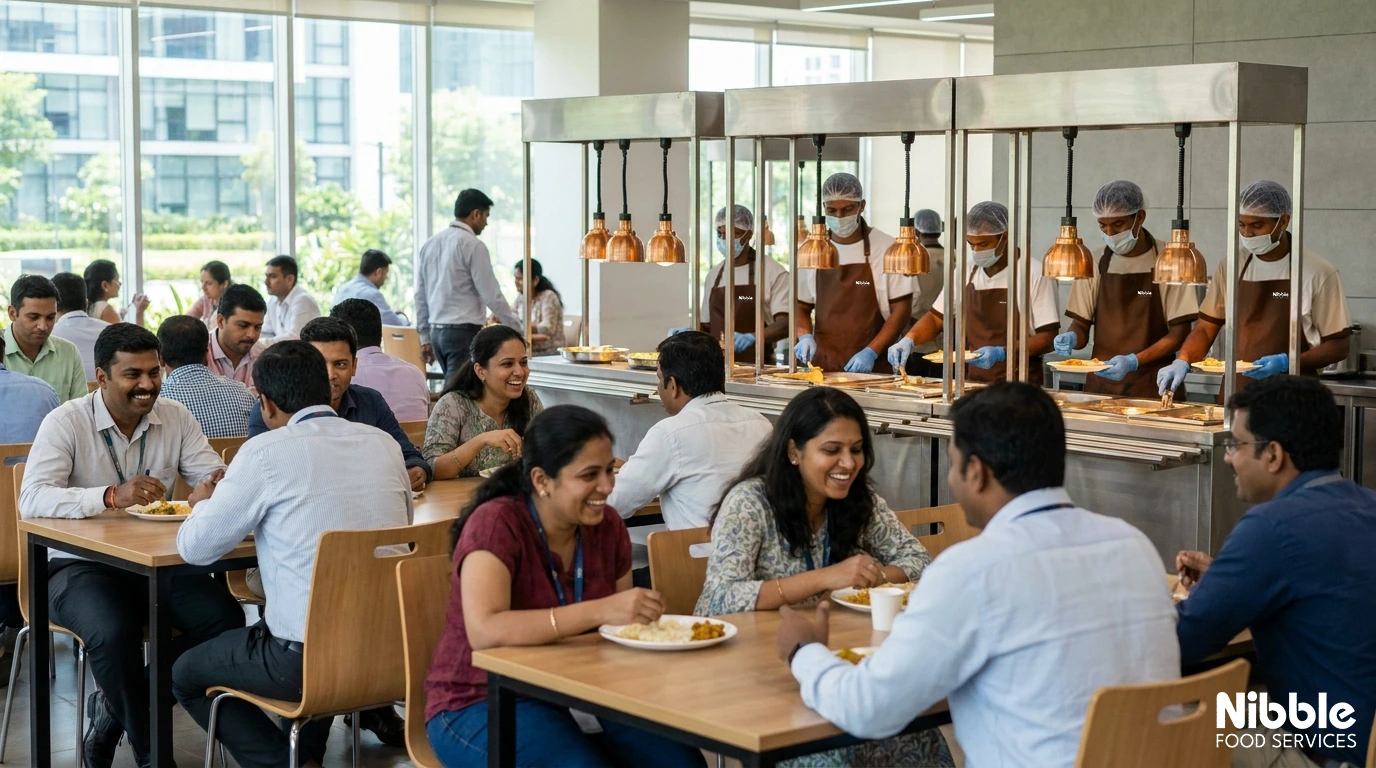
Did you know that bad cafeteria management can drain a facility’s budget by up to 30% annually? For many organisations, the biggest financial leak in cafeteria management isn’t the cost of ingredients—it’s the operational inefficiencies hiding in plain sight.
Across corporate offices, especially in tech hubs like Bangalore, HR and facility managers often assume that employee complaints are the worst outcome of a poor food program. In reality, bad cafeteria management is a silent budget killer—quietly siphoning funds through food waste, inefficient procurement, poor maintenance, and compliance risks.
As we move deeper into 2026, optimising cafeteria management is no longer just about improving employee satisfaction—it’s about protecting the company’s bottom line.
1. Food Waste: The Biggest Cost of Bad Cafeteria Management
One of the most overlooked consequences of bad cafeteria management is uncontrolled food waste.
In poorly managed corporate cafeterias, vendors often rely on rough estimates instead of real consumption data. For example, if an office has 1,000 employees but only 600 eat in the cafeteria on a given day, the company ends up paying for 400 uneaten meals.
Effective cafeteria management uses:
- Data-driven demand forecasting
- Footfall tracking (RFID or digital systems)
- Dynamic menu planning
This reduces overproduction and can save companies lakhs annually. Without these systems, bad cafeteria management continues to inflate operational costs unnecessarily.
2. Fragmented Vendors Increase Hidden Costs
Another major issue with bad cafeteria management is fragmented vendor handling.
When companies hire multiple vendors—for snacks, beverages, and meals—they create:
- Complex billing structures
- Increased administrative workload
- Lack of cost transparency
This inefficiency is a direct result of poor cafeteria management strategy. A streamlined approach—partnering with a single, integrated cafeteria management provider—helps:
- Consolidate procurement
- Reduce costs through bulk purchasing
- Simplify operations
In contrast, bad cafeteria management forces facility managers to spend time on coordination instead of strategic decision-making.
3. Equipment Mismanagement and High Utility Bills
Poor upkeep of kitchen infrastructure is another hidden cost of bad cafeteria management.
Without proper SOPs:
- Equipment deteriorates faster
- Emergency repair costs increase
- Energy consumption spikes
Professional cafeteria management services ensure:
- Preventative maintenance schedules
- Efficient kitchen operations
- Reduced gas and electricity usage
Ignoring this aspect of cafeteria management leads to avoidable capital expenditure and rising utility bills.
4. Compliance Risks and Financial Liability
The most critical risk of bad cafeteria management lies in food safety and compliance.
If a vendor fails hygiene standards or causes a food contamination incident:
- Companies face legal action
- Brand reputation suffers
- Financial losses escalate
Strong cafeteria management systems include:
- Regular hygiene audits
- FSSAI compliance checks
- Staff health certifications
- Temperature and safety monitoring
Without these safeguards, bad cafeteria management exposes organisations to serious operational and reputational risks.
Fixing Cafeteria Management in 2026
To eliminate the hidden costs of bad cafeteria management, companies must shift from a passive vendor approach to a strategic partnership model.
Key steps include:
- Auditing food waste and consumption patterns
- Consolidating vendors into a single cafeteria management partner
- Demanding real-time data transparency
- Implementing technology-driven solutions
Conclusion: From Cost Centre to Value Driver
Bad cafeteria management is more than an operational issue—it’s a financial liability. Left unchecked, it quietly drains budgets and impacts efficiency across the organisation.
By investing in professional, data-driven cafeteria management, companies can transform their food programs from a cost centre into a high-impact employee benefit—while significantly improving their bottom line.