
Immune-Resilience Nutrition for High-Contact Workforces
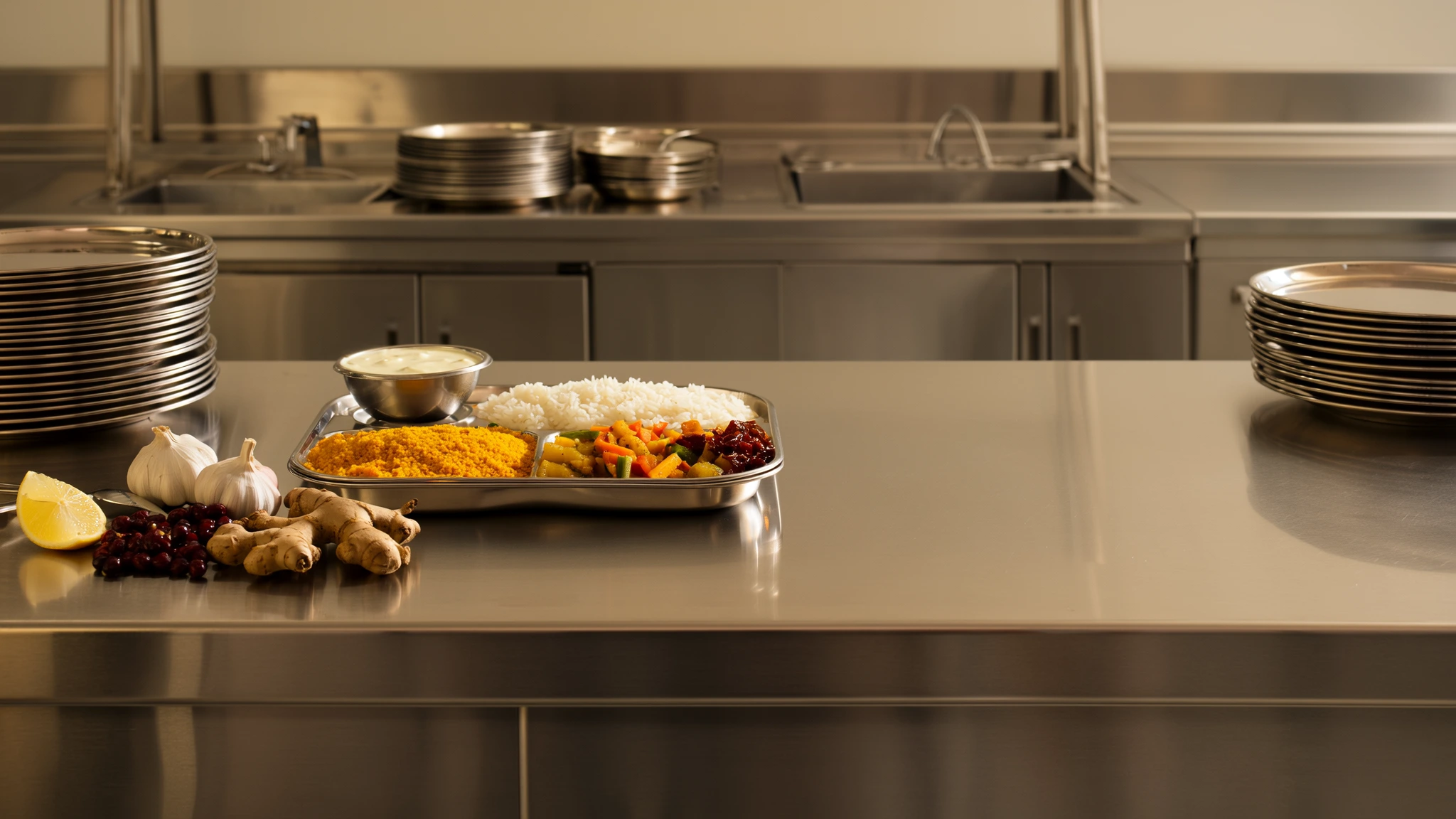
Building Resilience: The Power of Immune-Focused Corporate Catering
The COVID-19 pandemic fundamentally reshaped how organisations think about employee health and workplace safety. While vaccination drives, hygiene protocols, and infrastructure upgrades have rightly received sustained focus, one powerful lever continues to be overlooked: everyday nutrition.
Corporate cafeterias serve meals up to three times a day, making them one of the most consistent touchpoints influencing employee wellbeing. Yet, in many workplaces, food strategies still prioritise convenience, cost, and taste over nutritional intent. This gap represents a missed opportunity to support immunity in a meaningful, scalable way.
Rethinking corporate catering through the lens of strategic nutrition allows organisations to move beyond compliance and into care. Thoughtfully planned meals can actively contribute to resilience, energy, and long-term health, turning the cafeteria into a frontline ally in employee wellbeing rather than a passive service.
The Nutritional Foundation Of Immune Function
The human immune system is built and sustained by what we eat. Its ability to function optimally depends on the quality, balance, and diversity of nutrients consumed daily.
The immune system comprises multiple specialized components—antibodies, white blood cells, mucosal barriers, and inflammatory regulators—each requiring specific micronutrients for optimal function.
- Vitamin C: Supports white blood cell production and natural killer cell activity. Deficiency reduces immune responsiveness by 30-40%, increasing infection susceptibility and duration.
- Vitamin D: Regulates immune activation and tolerance, preventing both insufficient immune response and excessive inflammation. Vitamin D-deficient individuals demonstrate 1.5-2x higher respiratory infection rates.
- Zinc: Directly supports immune cell proliferation, antibody production, and pathogen recognition. Even mild zinc insufficiency reduces immune response velocity by 20-25%.
- Iron: Enables oxygen to transport immune cells and supports their metabolic function. Iron deficiency impairs both innate and adaptive immune responses.
- Selenium & Antioxidants (Vitamins A, E): Protect immune cells from oxidative damage during high-intensity immune activation, preventing premature exhaustion.
- Probiotics & Prebiotic Fiber: Support gut microbiota health, the foundation of 70% of immune function, as gut-associated lymphoid tissue (GALT) represents the largest immune organ system.
When corporate meals systematically include these nutrients, employees develop superior immune resilience, demonstrating faster pathogen clearance, reduced infection duration, and lower transmission rates to colleagues.
The Quantifiable Business Case For Immune-Focused Catering
Organisations implementing comprehensive immune-nutrition strategies report:
- 18-24% reduction in sick days among employees receiving optimized immune nutrition versus control groups.
- 31% reduction in respiratory infection transmission during high-risk seasons (fall/winter) in facilities with immune-optimized cafeterias.
- Improved Vaccine Response: Employees with adequate micronutrient status demonstrate superior antibody production following vaccination (25-35% higher antibody titers in vitamin D-replete versus deficient populations).
- Faster Recovery: Even when infection occurs, adequately nourished employees experience 3–5 day shorter illness duration.
The ROI: For an organisation with 1,000 employees experiencing an average of 8 sick days annually, reducing sick days by 20% through nutrition saves approximately 160 workdays annually—equivalent to 0.8 full-time employees' worth of productivity.
Strategic Immune-Nutrition Menu Design
Effective immune-focused corporate catering emphasizes nutrient density, delivering concentrated micronutrients in organized meal structures.
Vitamin C Optimisation
Organisations should provide multiple vitamin C sources throughout daily meals:
- Breakfast: Citrus fruits (oranges, strawberries, kiwis), bell pepper-based scrambles, fresh fruit alongside grain components.
- Lunch: Tomato-based curries, leafy greens in salads, fresh vegetable-based accompaniments to proteins.
- Snacks: Orange slices, fresh berries, lime-infused water.
Zinc And Protein Synergy
Zinc absorption depends partly on adequate protein intake. Corporate lunches should pair high-zinc proteins such as:
- Shellfish (oysters, crabs) with complex carbohydrates.
- Legume-based proteins (lentils, chickpeas, beans) with complementary grains.
- Nuts and seeds in breakfast and snack components.
- Red meat (where culturally appropriate) combined with vitamin C sources for enhanced absorption.
Vitamin D Fortification
Given widespread vitamin D deficiency, corporate nutrition should incorporate:
- Fortified dairy products (milk, yogurt).
- Fatty fish offerings (salmon, mackerel at least weekly).
- Mushrooms (particularly if exposed to UV light during preparation).
- Egg-based proteins and fortified plant-based alternatives.
Antioxidant-Rich Preparations
Strategic use of antioxidant-rich ingredients strengthens immune cell resilience:
- Turmeric and curcumin in curries and rice preparations.
- Berries in breakfast components and desserts.
- Dark chocolate (70%+ cocoa) in snack offerings.
- Green tea as a beverage option.
- The Rainbow Principle: Using colorful vegetable combinations to provide diverse antioxidant compounds.
Microbiota-Supporting Components
Every lunch should include prebiotic and probiotic elements:
- Fermented components (yogurt, fermented vegetables, kimchi).
- Prebiotic fiber sources (legumes, whole grains, vegetables).
- Diverse plant-based foods supporting microbial diversity (minimum 30 different plant species weekly).
Seasonal Immune-Nutrition Adaptation
Immune needs fluctuate seasonally. Corporate menus should adapt:
- Fall/Winter (Increased Infection Risk): Increased vitamin C emphasis (seasonal citrus), Vitamin D supplementation through fortified foods, immune-supporting spices (turmeric, ginger, garlic), and warming preparations.
- Spring/Summer (Allergy Season): Anti-inflammatory foods reducing seasonal inflammation, antioxidant emphasis (fresh berries, leafy greens), hydration emphasis, and probiotics supporting barrier function.
Implementation And Communication
Organisations implementing immune-focused nutrition should:
- Educate Transparently: Display nutritional components on menu items, explicitly highlighting immune-supporting nutrients ("High in Vitamin C," "Probiotic-Rich," "Iron-Optimised").
- Create Immune-Focused Menu Lines: Designate weekly "Immune-Boost" meals combining multiple immune-supporting nutrients, making immune nutrition aspirational rather than clinical.
- Track Health Outcomes: Monitor sick days, infection rates, and employee-reported wellness scores, correlating improvements with nutrition program modifications.
- Conduct Brief Workshops: Host 15-minute sessions explaining how specific foods support immune function, enabling employees to make intentional choices beyond corporate menus.
In an era where workplace health has become organisationally critical, immune-focused nutrition remains one of the most underutilised yet powerful interventions available.
Partner with Nibble
At Nibble, our meal plans are thoughtfully designed with this very intent. Each menu is curated to deliver the right balance of macro and micronutrients, seasonal produce, and functional ingredients that support immunity without compromising taste or variety.
Backed by structured planning and nutritional intent, Nibble’s approach transforms everyday meals into a proactive health strategy—helping workplaces move from reactive wellness measures to sustained, nutrition-led wellbeing.