
Circadian Rhythm Nutrition for Hybrid and Flexible Workforces

The modern workplace has fundamentally shifted. With hybrid work models dominating corporate landscapes across India and globally, the timing of meals has become as important as their nutritional composition. Yet most corporate catering solutions ignore this critical reality: employees working from home on Monday, the office on Tuesday, and traveling Wednesday experience constant circadian misalignment, and their nutrition strategies haven't adapted.
The Science of Circadian Nutrition
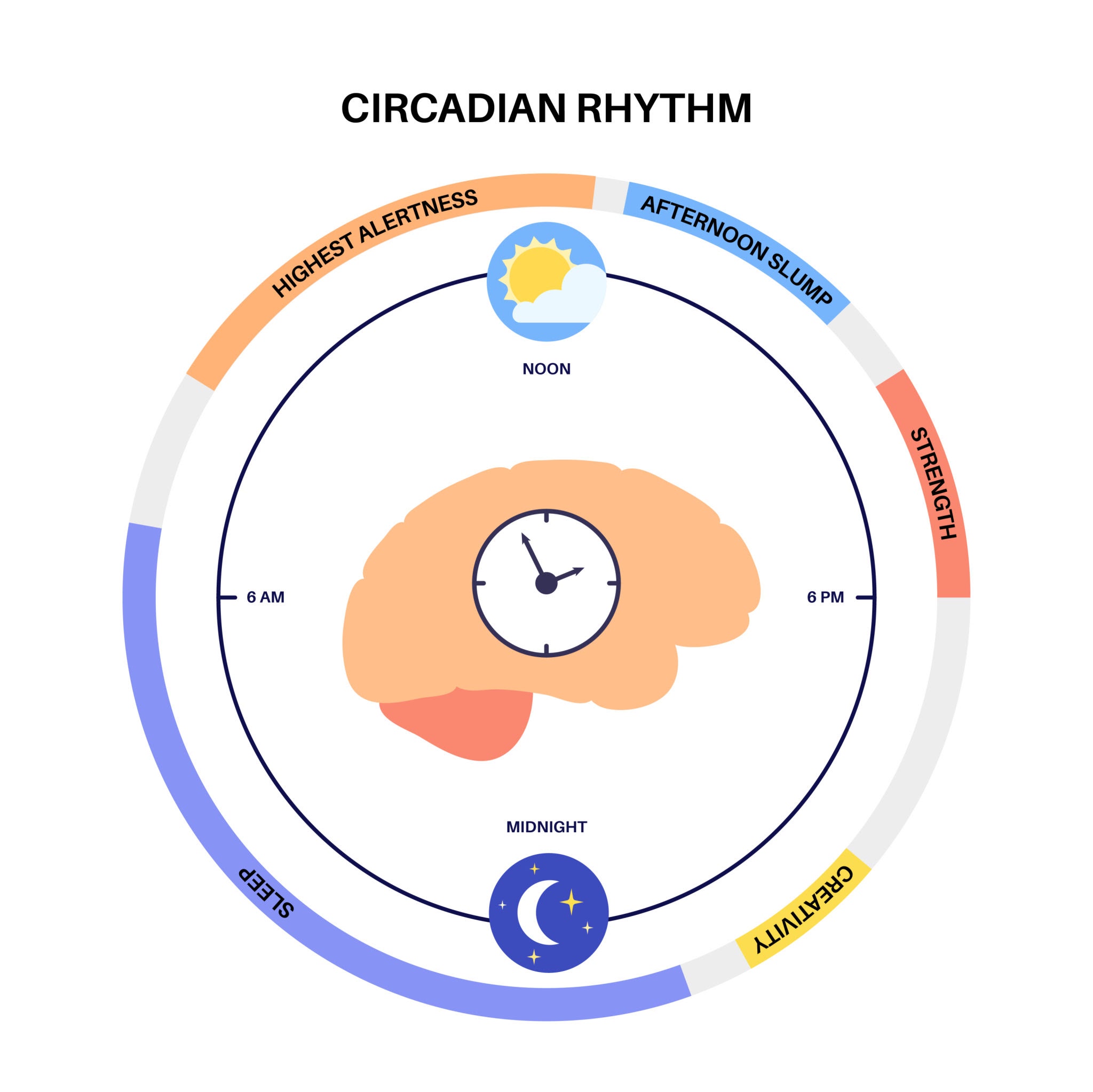
The human body operates on a 24-hour biological cycle regulated by the suprachiasmatic nucleus (SCN), a neural region that coordinates peripheral clocks throughout the body.
Getty Images
This master clock controls not just sleep-wake cycles but also:
- Digestive enzyme secretion
- Insulin sensitivity (peaking in early-to-mid morning, declining throughout the afternoon and night)
- Metabolic rate
- Hormone production
Eating at the wrong time of day contradicts these natural rhythms, causing metabolic dysfunction even when caloric intake remains constant. Research demonstrates that identical meals consumed at 8 AM versus 8 PM produce dramatically different metabolic outcomes. The morning meal triggers efficient glucose utilization; the evening meal creates insulin resistance and metabolic dysregulation.
Hybrid Work Creates Unique Nutritional Complications
For hybrid workers, the challenge intensifies. An employee might consume breakfast at 9 AM on a home day (aligned with their rhythm) but at 7:30 AM on an office day (misaligned by 90 minutes), creating weekly disruption.
Challenge 1: Inconsistent Meal Timing
Employees working from home often consume meals 30-90 minutes later than office days. This inconsistency disrupts circadian-regulated enzyme production and metabolic hormone release, creating weekly metabolic stress.
Challenge 2: Misaligned Energy Demands
An employee might schedule their most cognitively demanding work for afternoon hours on office days (when they're commuting and metabolically suboptimal) versus home days. Standardized corporate nutrition fails to adapt to these shifting needs.
Challenge 3: Reduced Meal Consistency
Hybrid workers often rely on fragmented sources—corporate cafeterias, home-cooked meals, and restaurants. This prevents the sustained nutritional strategy necessary for circadian alignment.
Strategic Circadian Nutrition for Hybrid Workforces
Forward-thinking corporate nutrition programs should implement flexibility-within-structure: providing meals optimized for specific circadian windows while allowing employees autonomy in consumption timing.
Morning Meals: Maximizing Insulin Sensitivity
Circadian science demonstrates that consuming the largest meal in the morning, particularly within 1-2 hours of waking, aligns with peak insulin sensitivity.
Corporate breakfast offerings should emphasize:
- Protein-dominant compositions (25-35g protein): Eggs, yogurt, legumes, and fish trigger satiety hormones and stabilize blood glucose.
- Complex carbohydrates: Moderate quantities of whole grains and oats for sustained glucose release.
- Minimal simple carbohydrates: Avoid sugar-spiked pastries incompatible with morning metabolic readiness.
- Healthy fats: Nuts, seeds, and avocado to extend meal satisfaction.
The Impact: Employees consuming protein-dominant breakfasts experience 18-22% improvement in afternoon focus compared to those eating carbohydrate-dominant morning meals.
Midday Meals: Supporting Peak Performance
Around midday (11 AM - 1 PM), circadian-regulated metabolic processes reach peak efficiency. Meals consumed during this window are processed with maximum efficiency.
- Balanced Macro Ratio: Protein, complex carbs, and healthy fats in a 1:2:1 ratio.
- Micronutrient Density: Iron, zinc, and B vitamins to support cognitive function.
- Moderate Portions: Avoiding post-lunch energy crashes caused by excessive carbs.
- Abundant Vegetables: Providing fiber for microbial ecosystem support.
Afternoon Snacks: Avoiding Disruption
As the afternoon progresses, rhythms shift toward energy conservation. Snacking strategies should emphasize:
- Small, Protein-Rich Portions (15-20g): Prevents energy crashes without digestive burden.
- Minimal Refined Carbs: Avoiding the 3-4 PM spike that disrupts evening sleep.
- Hydration: Counteracting dehydration often misinterpreted as hunger.
Evening Considerations
For employees working late or dining during corporate events, nutrition should provide:
- Lighter Portions: Reducing digestive burden during the energy conservation phase.
- Easily Digestible Proteins: Fish, poultry, and legumes rather than heavy red meats.
- Tryptophan-Rich Foods: Seeds and nuts that support melatonin production for better sleep.
Implementation for Hybrid Catering
Corporate kitchens serving hybrid workforces must adapt by:
- Developing Circadian-Aligned Menus: Explicitly designing options optimized for specific windows with clear labeling.
- Enabling Flexible Consumption: Providing grab-and-go options that allow WFH employees to time consumption according to their schedule.
- Educating on Timing: Conducting workshops to help employees understand the impact of meal timing on focus and sleep.
- Tracking and Adapting: Monitoring feedback on energy patterns to refine recommendations.
The organizations achieving the highest employee engagement are those that recognize circadian science as central to nutrition strategy. By implementing chrononutrition principles, corporate catering transforms from simple meal provision into strategic performance optimization.